
This is one of a series of blogs spotlighting our Commissioners who provide independent advice to Scottish Ministers on poverty and inequality; monitor progress: and propose solutions to reduce poverty and inequality in Scotland. In each post, we’ll introduce you to to one of our Commissioners – sharing their background, what drives them, and the unique perspective they bring to our work.
In this edition of our Meet the Commissioners blog series, we’re introducing Taliah Drayak, Commissioner.
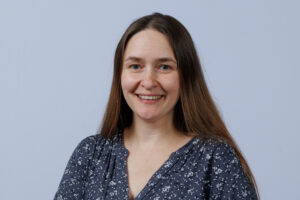
I think it is important for the Commission to have voices from all over Scotland and, being based on Orkney with a young family, I am acutely aware of the challenges island life can bring. I am also a member of The Promise Scotland Oversight Board and have a passion for supporting children and young people, human rights and disability rights. Ensuring the care experienced community is represented and heard is very important to me.
When I saw the opportunity to become a Commissioner, I decided to put my name in the hat as it felt like a wonderful opportunity to help make a difference, as well as providing a real challenge. I have really enjoyed working with people who are also so passionate about helping tackle the inequalities we see in Scottish life. We have so many capable and knowledgeable people in the Commission and I learn so much from every meeting I attend.
Problems facing island communities
The challenges of rural life are very apparent to me, not least the fact that so many young people cannot afford to stay here. Energy costs are higher than on the mainland and transport costs can be extraordinary. You can fly from London to other European destinations for a lot less than it costs to get to and from the islands. You often can’t get a carer for love or money here and all these issues can push people deeper into poverty.
If you have health needs in the Northern Isles, you often have to travel to Aberdeen or Inverness to seek treatment. Similarly, if you are an elderly couple and one of you has dementia, you can imagine how difficult that is if you live in a rural and remote area. So I have a lot of health inequality concerns facing people in rural and island communities that I can help raise awareness of.
We can plant the trees
I’m realistic enough to know we can’t eradicate child poverty in Scotland in an instant – but I do feel confident we can take steps in the right direction and make real progress. I want us to keep things moving forward. I look at it as if we’re at the base of the mountain and we have tackled enough to enable the next climbers to get higher up than we have been able to.
I would like us as a team to be able to look back at our work with the Commission and know we have helped make conditions easier and better for our children and grandchildren. And I’m confident we can do that.
We have been told by politicians that we live in the best place in the world for children to grow up. But that cannot be the case unless we address child poverty. I know you can look around the world and see how desperate things can be for children in some countries – but I still maintain we have got a long way to go in our country too.
I believe a collective effort can ensure we can help plant the trees. We won’t sit in their shade – but our children and grandchildren will.